
For an otherwise healthy individual, IV vitamin therapy is likely not necessary.
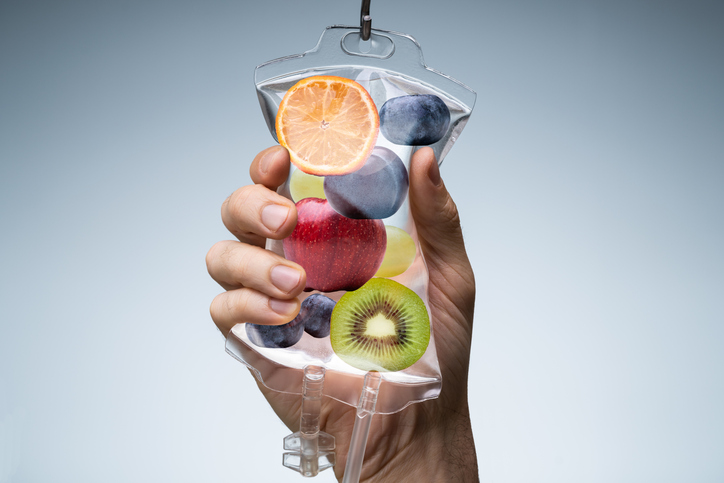
Holistic meds spas which focus on both mindful treatments, like massages, and aesthetic treatments, like injectables, are more popular than ever. A medical or med spa for short is a facility that offers a unique blend of medical expertise and spa-like indulgence. Staffed by licensed professionals such as nurse injectors, physician assistants, and dermatologists, these spas are utilizing cutting age treatments and aesthetic devices to deliver more than just skin care products. These forward-thinking med spas are providing a comprehensive wellness experience from fertility and mental health support to intravenous (IV) vitamin therapy.
While the former two services are self-explanatory, IV vitamin therapy is more of an enigma. In the past few years, IV vitamin treatments have exploded in popularity. After a well celebrated night out, rundown individuals are looking to detox themselves with an IV vitamin cocktail of their choice. Similarly, those looking to ward of illnesses such as the common cold and the flu setting into a comfy chair to receive immune boosting nutrients including electrolytes, minerals and vitamins via vein in their arm.
Despite the popularity, the question remains – Is IV vitamin therapy both safe and effective?
What is Vitamin Therapy?
IV vitamin therapy was pioneered by John A. Myers, a physician from Baltimore, Maryland, in the 1970s as a method to treat various medical conditions. The Myers cocktail consists of high doses of B vitamins, vitamin C and minerals (magnesium and calcium) mixed with sterile water. This cocktail of nutrients is administered intravenously through the bloodstream bypassing the normal process of digestion and absorption through the gastrointestinal (GI) tract.
One IV vitamin therapy session typically lasts 30 minutes to one hour. During that time, a nurse practitioner or other trained medical profession inserts the needle and monitors the treatment. You can typically go about the rest of day as usual after your session is completed.
Intramuscular (IM) vitamin therapy is also popular, especially with vitamin B12. Injections can also be delivered vascularly as well. The difference between IV drips and injections, is that drips provide hydration whereas injections do not. IV drips also provide a can provide as much as 10 times more vitamins than injections. Vitamin shots deliver vitamins that last in your system for up to one week, great for maintenance.
Vitamin therapy in the hospital setting may be administered enterally or parenterally. Enteral nutrition support provides nutrition with a standard formula (liquid food mixture containing protein, carbohydrates, fats, vitamins, minerals) given via tube into the stomach. Parenteral nutrition support provides complete liquid nutrition (amino acids/protein, dextrose/sugar, lipids/fats, vitamins and minerals) given intravenously.
Nutrition support administration is typically a medical necessity whereas vitamin therapy via IV drip or injection is elective and mainly a lifestyle choice. However, IV iron may be given under medical advice to people who are very anemic.
What Do IV Vitamin Drips Contain?
Medical spas typically offer a variety bespoke vitamin IV infusions. While the vitamin ‘cocktail’ menu varies from spa to spa, on average, most drips contain a mixture of vitamin C, vitamin D, B complex vitamins, amino acids, and glutathione. Clients can choose their vitamin drip based on their needs/concerns.
Why Are They Used?
Healthcare providers primarily use vitamin therapy to treat nutrient deficiencies in cases of advanced or critical illness, severe malnutrition, or in patients with malabsorption problems, such as in those with Crohn’s disease. Vitamin therapy is also used for those with difficulty swallowing or dysphagia, who cannot take oral supplements.
Those visiting trendy med spas typically are there to cure hangovers, relieve GI distress, boosting the immune system and energy levels, enhancing focus and increasing mental clarity.
Other possible uses for IV vitamin therapy include:
- Aid red blood cell production
- Improve hydration
- Treat alcohol use disorder
- Prevention against the common cold or flu
- Acceleration of wound healing
- Reverse effects of aging
Is IV Vitamin Therapy safe? What are the risks?
The Food and Drug Administration (FDA) does not test IV vitamin therapy for safety or efficacy. Receiving IV vitamin therapy is typically safe if administered by a qualified medical professional in a clean and sterile environment. Vitamin supplementation is not inherently harmful and can be lifesaving for people with known deficiencies.
Water-soluble vitamins — vitamin C and the B-vitamins — are unable to be stored in the body, with any excess being eliminated in our urine. The fat-soluble vitamins — vitamins A, D, E and K — can be stored in our liver, fatty tissues, and muscles, and can be dangerous in excess. Nutrients might become toxic if too much of them are in your bloodstream, so it’s possible to overdose on minerals and vitamins.
There are medical conditions which require individuals limit intake of certain vitamins and minerals, such as with chronic kidney disease (inability of kidneys to filter properly) or hemochromatosis (excess iron). Additionally, certain medications and supplements can be impacted by the intake of certain vitamins and minerals. For example, vitamin K can decrease the effectiveness of warfarin, a blood thinner.
Side effects and possible risks of IV vitamin therapy include:
- Vein inflammation and bruising
- Air embolism (air bubble gets into vein and travels to heart of lungs)
- Allergic or other serious reaction
- Blood clots
- Infection at injection site
- Injury to skin and tissue
Potential Benefits and Effectiveness of IV Vitamin Therapy
IV vitamin drips can deliver a higher concentration of vitamins and minerals into your bloodstream at a much quicker rate than when consumed orally. Absorption rates for oral supplements varies between 10% to 50%, sometimes higher. the bioavailability of medications or supplements delivered intravenously is higher with more than 80% absorbed.
Vitamin therapy administered enterally, parenterally or intravenously can effectively treat nutrient deficiencies in people suffering from malabsorptive disease and those who cannot take oral supplements. IV vitamin therapy might benefit people who can get their nutrients through diet or oral supplementation.
To date, there is not enough research to support whether IV vitamin therapy is effective or safe. Be aware of medical spas or clinics offering false and deceptive claims stating their IV drips can treat serious illness. In any event, it is important to speak with your primary care provider before receiving IV vitamin therapy to manage or treat a health condition.
The ‘Food as Medicine’ Approach is Usually Better
In most cases, consuming balanced meals of protein, complex carbohydrates, healthy fats and non-starchy vegetables will provide the recommended dietary allowance (RDA) an adequate intake (AI) of vitamins and minerals. Eating whole, nutritious foods is important because their unique substances work together to create an effect that can’t be replicated by supplements. In the vast majority of people, consuming balanced meals and drinking plenty of water is a safer – and cheaper – alternative to IV vitamin therapy, because the gut is the natural mode of vitamin/mineral absorption.
The Takeaway
IV vitamin therapy provides a concentrated dose of vitamins and minerals directly into your bloodstream through a vein in your arm. Though there is not enough robust data whether IV vitamin therapy is effective or safe, many companies tout their essential nutrient “cocktails” to support a healthy metabolism, treat dehydration or electrolyte depletion due to a hangover. It is import you speak with your healthcare provider to determine whether IV nutrition therapy is right for you. When in doubt, consuming balanced meals and snacks with adequate macronutrients should provide you with your recommended daily allowance of vitamins and minerals.