
High-protein foods have become one of the biggest trends in the grocery store. At events like Expo West in Anaheim, brands showcase cereals, snacks, yogurts, and frozen foods marketed as better-for-you options simply because they contain extra protein. The message is hard to miss: protein is no longer limited to shakes and chicken breast—it is now a selling point in almost every aisle.
Scroll through social media or browse the supermarket and you will see “high protein” labels on everything from oatmeal, bread, and bagels to soda, popcorn, chips, and desserts. Some products now promise up to 30 grams of protein per serving. That raises an important question: are these high-protein foods actually good for you, or are they just another nutrition trend driven by smart marketing?
Why High-Protein Foods Are Trending
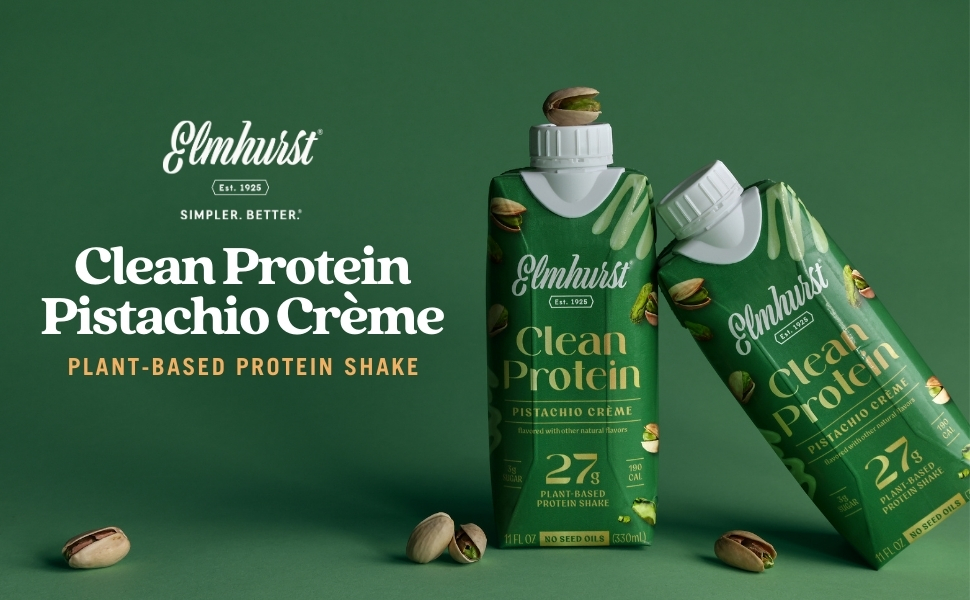
It feels like in the blink of an eye, wellness trends have shifted from keto and paleo to plant-based, to intermittent fasting, to where we are now – high protein. To be fair, the focus on the protein isn’t all that new. Protein was popular with the bodybuilding culture in the 1970s and 80s. High protein held court until the 1990s when the trend shifted towards low fat, only to be crowned again in the early 2000s with diets like the Atkins diet. Fast forward to today, where the term “high protein” has been steadily on the rise since 2020.
If you think “Big Food” is driving this trend, you’d be wrong. Manufacturers are not force feeding us protein, but rather it’s us, the consumers, who are demanding more. According to a 2024 survey, a major driver behind the high-protein craze is a heightened emphasis on health and wellness after COVID as well as the increased demand for protein for those on weight loss medications like Ozempic or Wegovy. Additionally, a market analysis report from Grand View Research, found that the demand from consumers for easy-to-consume protein-rich products has brands pushing protein in their products. But can a cookie really help you build lean muscle?
Why Protein Matters for Your Body
ICYDK, protein is kind of a big deal. Proteins are comprised of smaller molecules called amino acids, which are often referred to as the building blocks of proteins. Proteins catalyze virtually all chemical reactions in the body, regulate gene expression, drive metabolic reactions, maintain pH and fluid balance, comprise the major structural elements of all cells and regulate the immune system, and form the major constituents of muscle.
Quick science lesson. Protein is made from amino acids both non-essential and essential — and your body needs them all to function. Non-essential amino acids are compounds which your body can produce, even if you do not obtain them from the food you eat. Nine amino acids are considered nutritionally essential because you must get them from your diet. These are histidine, isoleucine, leucine, lysine, methionine, phenylalanine, threonine, tryptophan, and valine. The best sources of essential amino acids are animal proteins such as meat, eggs, and poultry.
Protein Powders, Amino Acids, and Sweeteners
Now, if you survived that science lesson, know that to build lean muscle you not only need to focus on resistance training and progressive load, but also increase your protein intake. You can do this by consuming the regular players – poultry, beef, fish, legumes, nuts/seeds – and packaged goods packed with protein powder made with whey or yellow pea.
Both whey and pea protein powders contain powdered amino acids. These powdered amino acids, especially the essential ones, can taste bitter or have a less-than-pleasant taste. Historically, this is why products formulate their products with flavors ranging from chocolate peanut butter to pistachio vanilla for sweetness to balance out the bitterness.
You may think that these products are sweetened with sugar, which they may indeed be. However, it is more likely that they are sweetened with sugar alcohols (such as xylitol and sorbitol) or non-nutritive sweeteners (like aspartame, sucralose, saccharin and natural options like stevia, monk fruit, allulose, and sugar alcohols like erythritol). It often requires a formulated blend of these additives to make your blueberry ice cream protein bar palatable. Beware if you have GI issues because these sweeteners can cause gas and bloating.
Whole-Food Protein vs. Processed Protein Snacks
Instead of opting for processed powders and sugar alternatives, some brands are using the protein from real food sources for a protein boost. Banza pasta is powering their pasta with chickpeas – an excellent source of protein and fiber. Wilde Brands Chicken Chips are made from 100% all-natural chicken, bone broth and egg whites. And for those with a sophisticated palate, Carnal makes gourmet beef sticks infused with black truffle and fermented black garlic. These products have essentially been able to skip the problem of taste by focusing on savory.
Are High-Protein Snacks and Desserts Healthy?
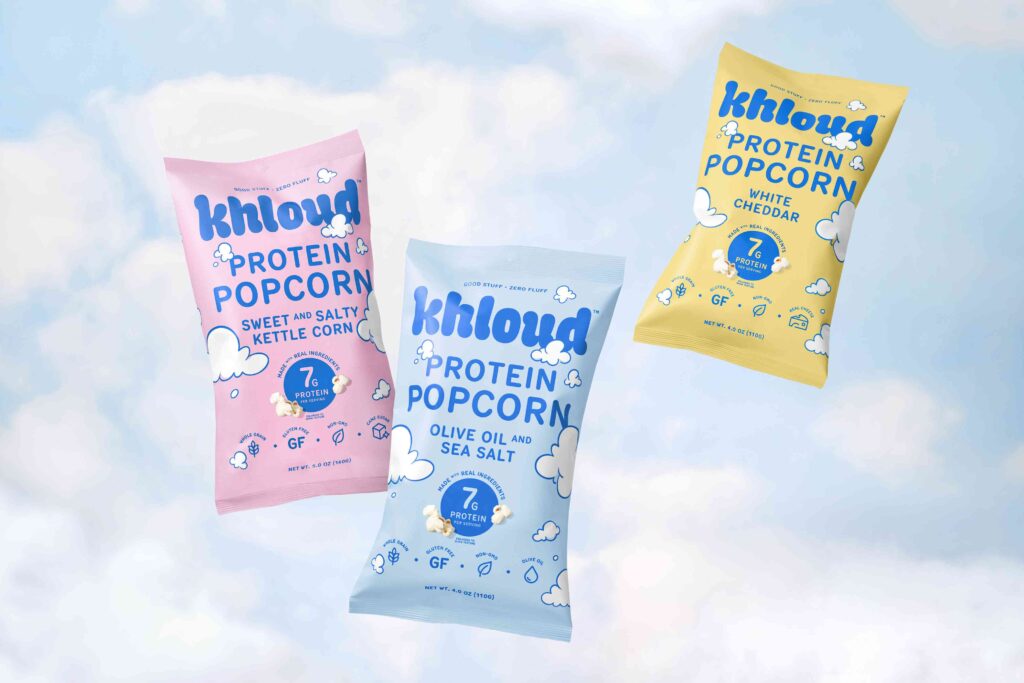
What about protein popcorn, coffee, ice cream, etc.? These ultra-processed foods claiming to be high in protein are not necessarily more nutrient-dense. If fact they may worsening your health. These products may have extracted substances (fats, starches, added sugars) and cosmetic additives (flavors, colors, emulsifiers) added to them. They are usually stripped of natural dietary fiber, vitamins, and minerals. Ultra-processed foods are heavily linked to a wide range of health risks—including obesity, heart disease, type 2 diabetes, cancer, and depression.
Best Sources of Protein: Go Back to Basics
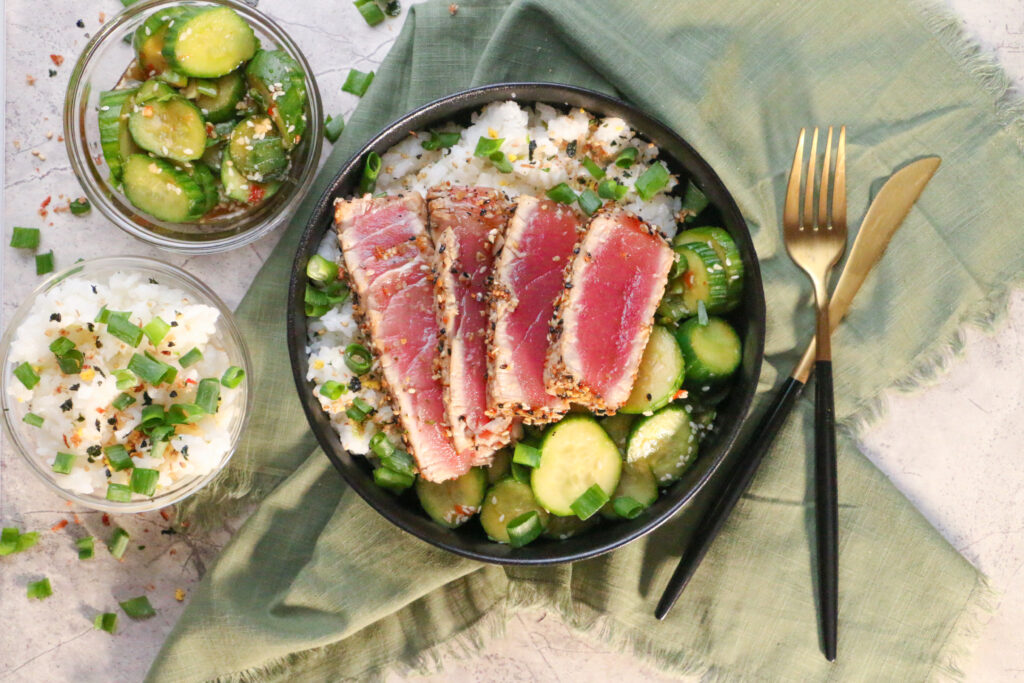
If the goal is to consume as much protein as possible from as little calories as possible, it seems inevitable that this craze will come full circle back to nutrient dense animal and plant proteins. While having pasta with a bit more protein in it isn’t inherently a bad thing, it’s better to consume protein-rich, protein-dominant foods. Roasted organic free-range chicken and eggs, grass-fed beef, wild-caught fish, tofu, beans and legumes, nuts and seeds not only are high in protein, but also other key nutrients as well.
How Much Protein Do You Need? Key Takeaways
Protein is essential for muscle repair, immune function, hormones, and overall health—but more is not always better. For most healthy adults, the recommended dietary allowance is about 0.8 grams of protein per kilogram of body weight per day, although needs can be higher for older adults, highly active people, and some people trying to build muscle. U.S. dietary guidance also recommends getting 10% to 35% of daily calories from protein and prioritizing whole, nutrient-dense foods over highly processed options.
The bottom line is simple: protein quality matters more than clever packaging. Eggs, fish, beans, lentils, tofu, dairy, meat, nuts, and seeds deliver protein along with vitamins, minerals, and other nutritional benefits. Many high-protein snacks, bars, cereals, and desserts may add protein, but they can also come with sweeteners, additives, and ultra-processed ingredients. If you are wondering how much protein you need, focus first on your overall diet quality—not just the number on the front of the package.